Azongal / Journal
Understanding the Vital Role of an MRI Service Engineer in Modern Healthcare
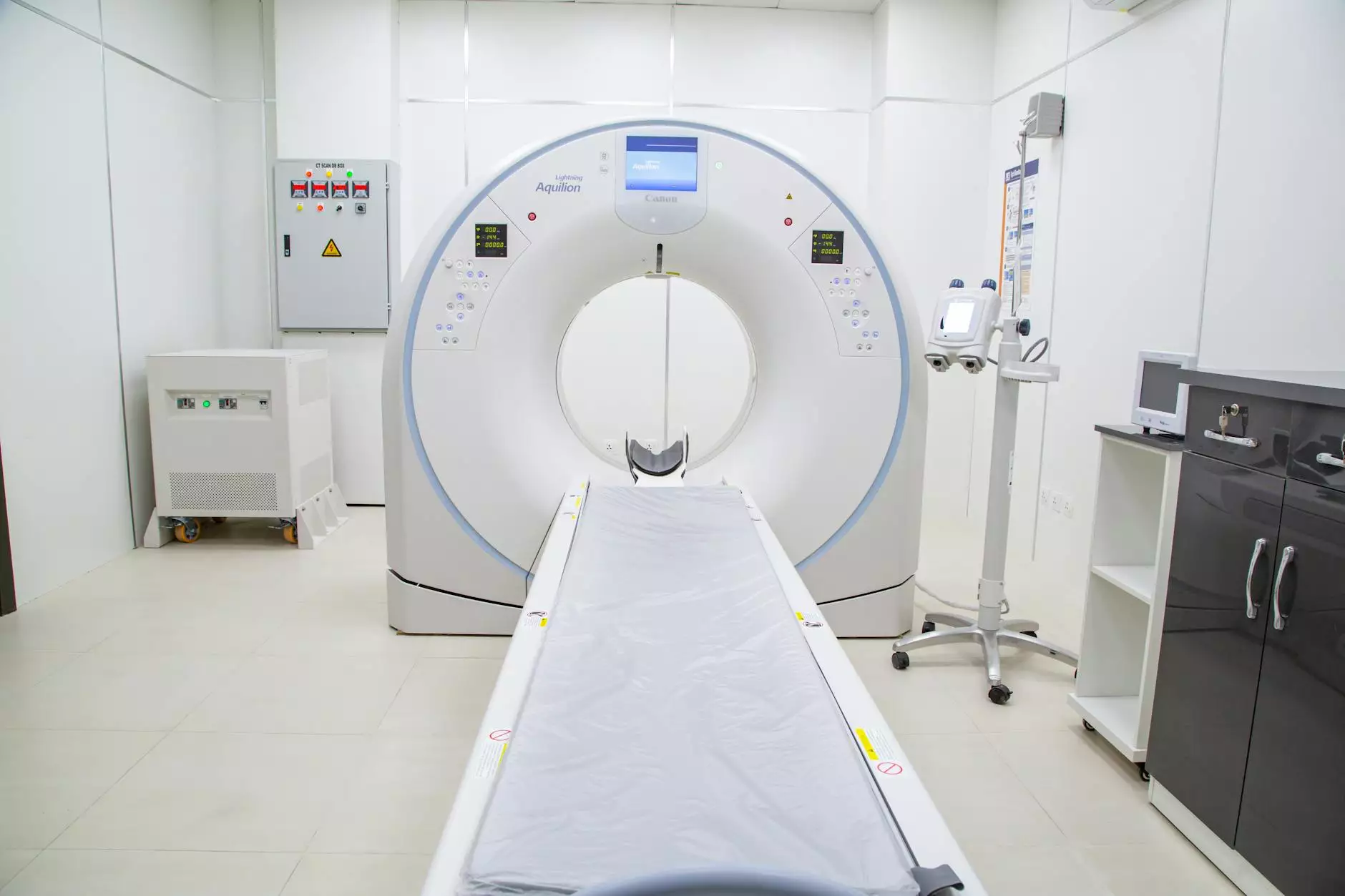
The advancement of medical technology has revolutionized healthcare diagnostics, and at the heart of this technological evolution are Magnetic Resonance Imaging (MRI) machines. These sophisticated devices are pivotal for accurate diagnosis, significantly impacting patient outcomes and treatment plans. Central to maintaining the peak performance of MRI systems are highly skilled MRI service engineers. Their expertise ensures that medical centers and diagnostic services operate seamlessly, providing reliable imaging results essential for effective medical intervention.
What Is an MRI Service Engineer? An In-Depth Overview
An MRI service engineer is a specialized technical professional responsible for the installation, maintenance, troubleshooting, and repair of MRI systems in healthcare environments. Their role combines deep knowledge of electrical engineering, medical device technology, and clinical requirements to ensure MRI scanners function optimally and safely.
Core responsibilities of an MRI service engineer include:
- Installation and commissioning of MRI machines in medical centers and diagnostic facilities
- Routine preventive maintenance to avoid unexpected breakdowns
- Diagnosing and troubleshooting technical faults promptly to minimize downtime
- Software updates and calibration to ensure high image quality
- Training staff on the safe and effective operation of MRI systems
The Critical Importance of MRI Service Engineering in Healthcare
In the realm of Health & Medical services, the precision and reliability of diagnostic equipment can profoundly influence patient care. MRI service engineers serve as the backbone of this reliability, directly impacting the quality of diagnostic imaging and the safety of medical procedures.
Maintaining MRI scanners is a complex task due to the intricate interplay of magnetic fields, radiofrequency systems, and advanced software. A malfunction in any component could lead to suboptimal images, diagnostic errors, or worse, patient safety risks. Here, the role of an MRI service engineer becomes invaluable for medical centers and diagnostic services dedicated to excellence.
How MRI Service Engineers Enhance Diagnostic Accuracy and Patient Safety
Ensuring High-Quality Imaging and Accurate Diagnoses
One of the primary responsibilities of an MRI service engineer is to ensure that MRI machines produce clear, accurate images. This involves meticulous calibration and software optimization, which are vital for detecting anomalies accurately. High-quality imaging reduces the need for repeat scans and expedites diagnosis, ultimately benefiting patient care.
Maintaining Operational Safety Standards
MRI systems involve powerful magnetic fields that can pose hazards if not properly managed. Experienced MRI service engineers are trained to adhere strictly to safety protocols, safeguarding patients, staff, and themselves. Regular safety inspections and timely repairs prevent magnetic leaks, electrical faults, or other hazards, ensuring a safe environment.
The Technical Expertise of an MRI Service Engineer
Becoming a proficient MRI service engineer requires a comprehensive understanding of various technical domains, including:
- Electrical and electronic engineering: for diagnosing circuit issues and performing hardware repairs.
- Magnetic resonance physics: understanding imaging principles and magnetic field behavior.
- Software engineering: ensuring that imaging software functions correctly and is up-to-date.
- Mechanical systems: troubleshooting hardware components like gradient coils, RF coils, and cooling systems.
Furthermore, proficiency in reading technical manuals, operating complex diagnostic tools, and working with manufacturer specifications is essential for success in this role.
Challenges Faced by MRI Service Engineers and How They Overcome Them
The role of an MRI service engineer is demanding due to the complexity of MRI systems and the critical nature of diagnostic services. Common challenges include:
- Rapid technological advancements requiring continuous learning and adaptation.
- Urgent repair situations that demand quick diagnostic skills to minimize downtime.
- Ensuring conformance with strict safety standards amidst evolving regulations.
- Managing large inventory of spare parts for diverse MRI models.
Overcoming these challenges involves ongoing professional development, close collaboration with manufacturers, and strict adherence to safety protocols and best practices.
The Role of an MRI Service Engineer in Supporting Medical Centers and Diagnostic Services
In hospitals, radiology clinics, and diagnostic centers, MRI service engineers are seen as vital partners. Their presence guarantees that MRI systems are always ready to deliver high-quality images, facilitating swift diagnosis and treatment planning. Here’s how they support these facilities:
Preventive Maintenance and Regular Inspections
Scheduled inspections and preventive maintenance routines are performed by MRI service engineers to identify potential issues before they develop into costly failures. This proactive approach ensures maximum uptime and operational efficiency.
Rapid Response to Technical Failures
When an MRI machine malfunctions unexpectedly, the prompt response of a skilled engineer can save significant diagnostic delays. Their ability to quickly diagnose and repair issues minimizes disruptions and ensures patient throughput is maintained.
Staff Training and Technical Support
Beyond repairs, MRI service engineers offer vital training to radiologists and technicians, empowering them to operate machines safely and optimize image acquisition. This knowledge-sharing enhances overall diagnostic quality and safety.
The Path to Becoming an Expert MRI Service Engineer
Embarking on a career as an MRI service engineer involves rigorous training and certification. Common pathways include:
- Educational foundation: Degrees in biomedical engineering, electrical engineering, or related fields.
- Specialized training: Certifications from MRI equipment manufacturers, technical institutes, or medical device associations.
- Hands-on experience: Apprenticeships or on-the-job training to gain practical skills.
- Continual education: Staying current with technological advancements and safety standards through seminars, courses, and industry conferences.
Future Trends in MRI Service Engineering and Diagnostic Technologies
The field of MRI service engineering is continuously evolving, driven by rapid technological innovations. Emerging trends include:
- AI and machine learning integration: Enhancing diagnostic accuracy and machine maintenance prediction.
- Remote diagnostics and IoT: Allowing engineers to monitor and troubleshoot systems remotely, reducing response times.
- Next-generation MRI systems: Offering higher resolution imaging, faster scan times, and improved patient comfort.
- Enhanced safety protocols: Driven by stricter regulatory standards and safety innovations.
As these trends unfold, MRI service engineers will play a pivotal role in implementing and maintaining these advanced systems, ensuring that healthcare providers continue to deliver exceptional diagnostic services.
Conclusion: The Indispensable Role of MRI Service Engineers in Modern Healthcare
The expertise and dedication of an MRI service engineer are fundamental to the success of medical diagnostic services. From installation to routine maintenance, troubleshooting to staff training, their work ensures that MRI systems deliver accurate, high-quality images consistently. This reliability directly influences patient outcomes, safety, and the overall efficiency of healthcare delivery.
By continuously advancing their skills and staying abreast of technological innovations, MRI service engineers will remain invaluable assets to medical centers and diagnostic services worldwide. Their contribution epitomizes the critical intersection of engineering excellence and compassionate patient care, embodying the future of sophisticated health diagnostics.
For healthcare providers and diagnostic facilities committed to excellence, partnering with skilled MRI service engineers guarantees operational excellence, diagnostic precision, and the highest standards of patient safety. Invest in quality service and technical expertise—because accurate diagnosis saves lives.