Azongal / Journal
Understanding the Total Hysterectomy Procedure: A Comprehensive Guide by Leading Obstetricians & Gynecologists
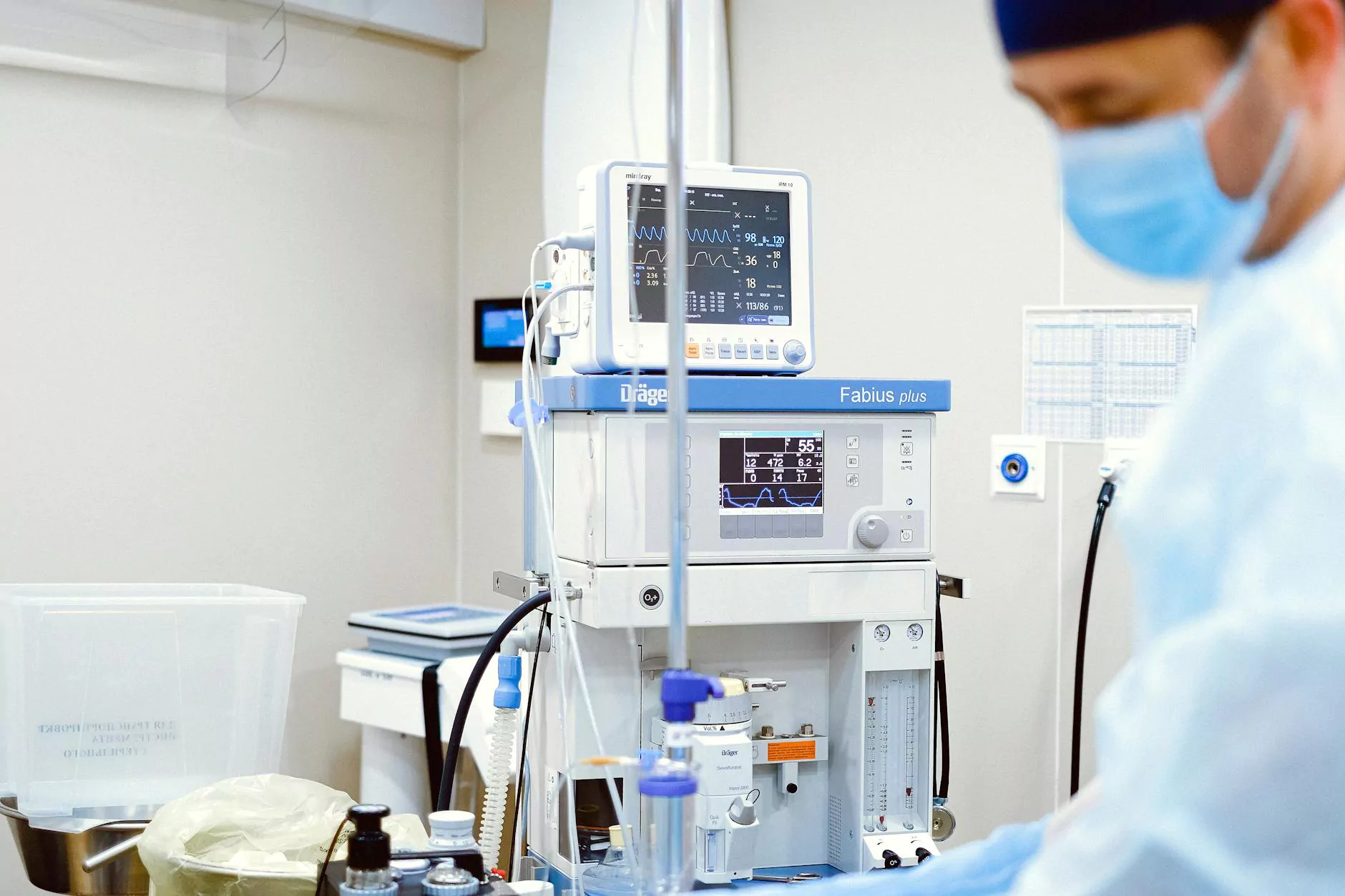
In the realm of women's reproductive health, surgical options such as the total hysterectomy procedure play a crucial role in treating various gynecological conditions. As a leading provider in the field of Health & Medical, specializing in Obstetricians & Gynecologists services, drseckin.com is committed to offering thorough, expert guidance on this significant surgical intervention. This article aims to deliver an extensive overview of the total hysterectomy procedure, covering every aspect from indications, surgical techniques, benefits, risks, to post-operative care, empowering women to make well-informed health decisions.
What Is a Total Hysterectomy? An In-Depth Definition
A total hysterectomy is a surgical operation that involves the removal of a woman’s entire uterus, including the cervix. It is performed to address a variety of gynecological health issues that do not respond to conservative treatments. The procedure can significantly improve quality of life when indications such as chronic pain, abnormal bleeding, or malignancies are present.
Indications for a Total Hysterectomy: When Is It Necessary?
The decision to undergo a total hysterectomy is made after careful evaluation by a qualified Obstetrician & Gynecologist. The primary indications include:
- Uterine Fibroids: Large or symptomatic fibroids causing heavy bleeding or pressure symptoms.
- Adenomyosis: A condition where endometrial tissue grows into the uterine wall, leading to pain and abnormal bleeding.
- Endometrial Hyperplasia or Cancer: Abnormal proliferation of the uterine lining or malignancy necessitating removal of the uterus.
- Chronic Pelvic Pain: Persistent pain unresponsive to conservative therapies, impacting daily functioning.
- Uterine Prolapse: When the uterus descends into or outside of the vaginal canal, causing discomfort and dysfunction.
- Preventive Measures for High-Risk Patients: Women with genetic predispositions for gynecological cancers may opt for hysterectomy as a preventive approach.
Understanding the Surgical Techniques of Total Hysterectomy
Multiple surgical methods are utilized to perform a total hysterectomy, each with specific advantages based on the patient's condition and anatomy. The main techniques include:
1. Abdominal Hysterectomy
This traditional method involves a horizontal or vertical incision in the lower abdomen to access and remove the uterus. It provides excellent visibility for extensive pathology but entails a longer recovery period and increased postoperative discomfort.
2. Vaginal Hysterectomy
Performed through an incision within the vagina, this minimally invasive approach avoids abdominal incisions, reducing recovery time and postoperative pain. It is suitable for women with uterine prolapse or smaller uteri.
3. Laparoscopic Hysterectomy
This technique employs small abdominal incisions through which a camera and surgical instruments are inserted. It minimizes scarring, shortens hospital stay, and facilitates quicker recovery. Variations include total laparoscopic and robot-assisted hysterectomy.
Preoperative Preparation: Ensuring a Safe Procedure
Before a total hysterectomy, comprehensive preoperative assessment is crucial. This includes:
- Thorough medical history review and physical examination
- Imaging studies such as ultrasound or MRI to assess uterine size and pathology
- Blood tests to evaluate hemoglobin levels and overall health status
- Discussion of anesthesia options and potential risks
- Addressing concerns and setting expectations regarding recovery and outcomes
The Total Hysterectomy Procedure: Step-by-Step
The total hysterectomy procedure is typically performed under general anesthesia. The steps include:
- Preparation and sterilization of the surgical site
- Making the appropriate surgical incision based on the chosen technique
- Careful dissection of the uterine supporting ligaments and blood vessels
- Isolation and removal of the uterus, ensuring complete excision of the cervix
- Hemostasis (control of bleeding) and inspection of surrounding tissues
- Closure of the surgical site with sutures or staples
- Postoperative recovery in the hospital setting with close monitoring
Benefits of Undergoing a Total Hysterectomy
A total hysterectomy can offer immediate relief from symptoms related to the original condition. Specific benefits include:
- Elimination of chronic pelvic pain associated with uterine pathology
- Resolution of abnormal bleeding, such as menorrhagia
- Reduction in cancer risk for women with high-grade endometrial or cervical pathology
- Improved quality of life for women suffering from uterine prolapse or large fibroids
- Symptom relief in cases of adenomyosis or persistent infections
Potential Risks and Complications of Total Hysterectomy
While generally safe when performed by experienced surgeons, total hysterectomy carries potential risks, including:
- Bleeding during or after surgery
- Infection at the surgical site or pelvic cavity
- Damage to adjacent organs such as the bladder or intestines
- Early or late effects of anesthesia
- Hormonal changes in cases where ovaries are also removed (necessitating hormone replacement therapy)
- Complications related to wound healing or blood clots
It is vital to discuss these possibilities thoroughly with your Obstetrician & Gynecologist prior to surgery to understand the risk-benefit ratio in your specific case.
Recovery and Postoperative Care Following a Total Hysterectomy
The recovery process varies depending on the surgical technique and individual health factors. Common aspects include:
- Hospital stay typically ranges from 1 to 3 days
- Rest and limited activity during the initial weeks
- Gradual resumption of normal activities over 4 to 6 weeks
- Management of pain with prescribed medications
- Monitoring for signs of infection or complications
- Follow-up appointments to assess healing and address concerns
Women should be advised to avoid strenuous activity, heavy lifting, and sexual intercourse until cleared by their healthcare provider, ensuring proper healing.
Long-Term Considerations After Total Hysterectomy
Post-surgical life depends on whether ovaries are preserved or removed. If ovaries remain intact, hormonal functions continue normally. However, removal of ovaries can induce menopause symptoms, requiring hormone replacement therapy. Additionally, patients may experience emotional and psychological adjustments post-surgery, emphasizing the importance of counseling and support throughout recovery.
Expert Care and Consultation at DrSeckin.com
Choosing a skilled Obstetrician & Gynecologist with extensive experience in total hysterectomy procedures is essential for safety and optimal outcomes. At drseckin.com, we emphasize personalized patient care, utilizing cutting-edge surgical techniques, and comprehensive support throughout your journey. Our team of experts ensures you are well-informed, comfortable, and confident in your treatment decisions.
Final Thoughts: Empowerment Through Knowledge
The total hysterectomy procedure remains a vital surgical option for women suffering from a variety of gynecological conditions. With advances in minimally invasive techniques and improved understanding of patient needs, outcomes are better than ever. Empowering yourself with detailed knowledge is the first step toward making informed health choices. If you seek expert guidance, personalized assessments, and compassionate care, trust the specialists at drseckin.com.
Remember, every woman's health journey is unique, and decisions about surgery should always be made in consultation with qualified healthcare professionals. Prioritize your well-being, seek expert advice, and take proactive steps toward a healthier future.